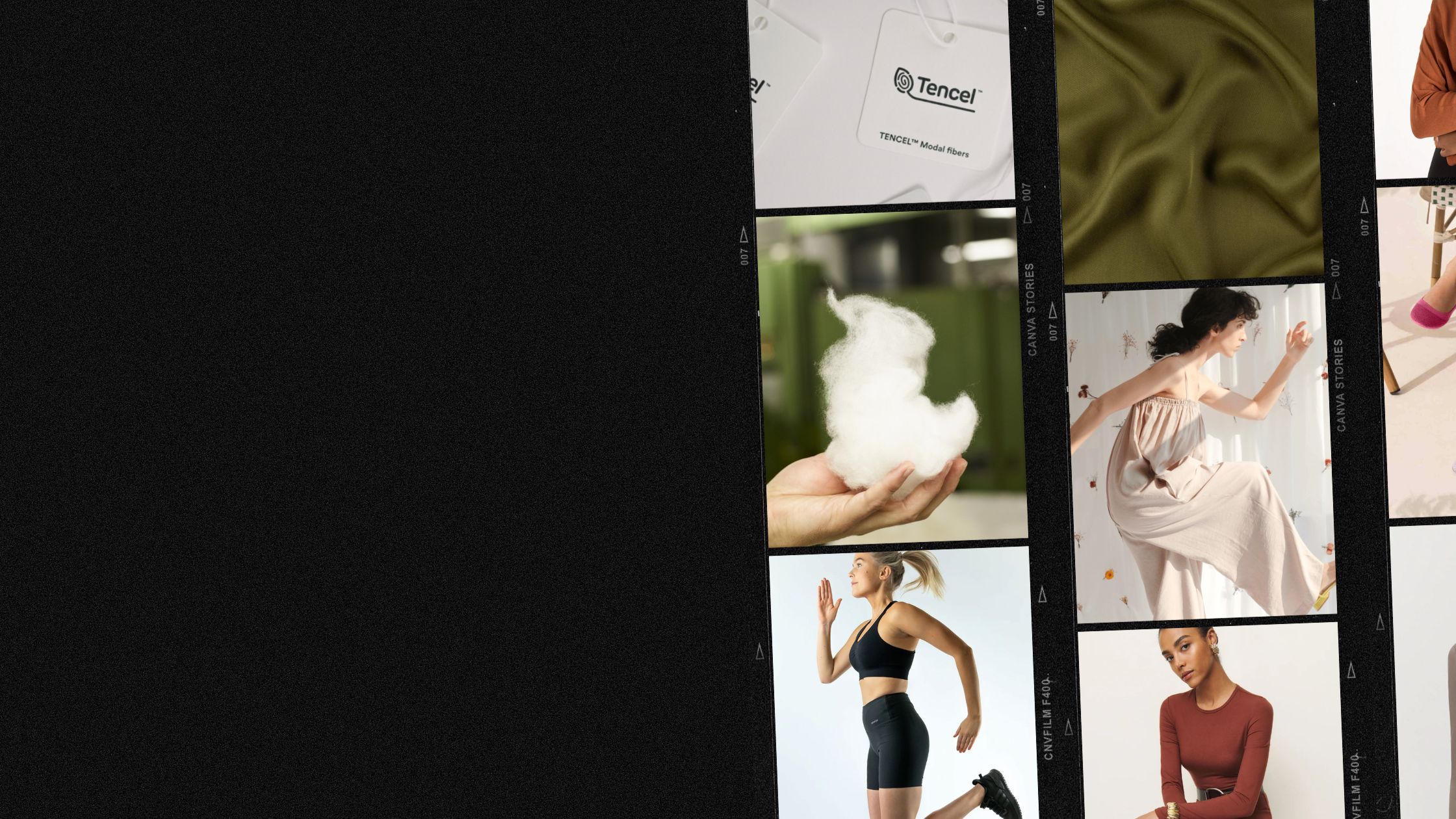
Bamboo sounds like the perfect fabric.
Soft. Breathable. Eco-friendly.
And yes—the plant itself is impressive:
- Grows incredibly fast
- Needs little water
- Doesn’t require pesticides
- Regenerates naturally
On paper, it looks like a sustainability dream.
But here’s the part most brands skip: bamboo fabric ≠ automatically sustainable.
How to wear (and buy) bamboo right
The issue isn’t the plant. It’s the process.
Most bamboo fabric you see is actually bamboo viscose—which means it’s chemically processed (similar to rayon).
The tradeoffs:
- Chemical-heavy production
- Potential water pollution if unmanaged
- Not always truly biodegradable in real conditions
So while it feels amazing, it’s not always as clean as it sounds.
The better options exist though. Look for:
- mechanically processed bamboo (bamboo linen) → rare, but more natural
- Blends with organic fibers
- Brands that are transparent about production
Certifications matter here:
- Global Organic Textile Standard → cleaner processing + organic inputs
- OEKO-TEX → non-toxic, skin-safe fabrics
Styling-wise, bamboo is all about comfort.
- Bamboo tees → ultra-soft everyday essentials
- Loungewear → elevated comfort that still looks put together
- Base layers → breathable, moisture-wicking, easy to wear
It’s the fabric you reach for when you want to feel good first—and style second (but still get both).
Disclaimer: Sparkpick has affiliate partnerships and may receive a share of the revenue from your purchase at no additional cost to you. Thank you for supporting our work and sustainable fashion.
-
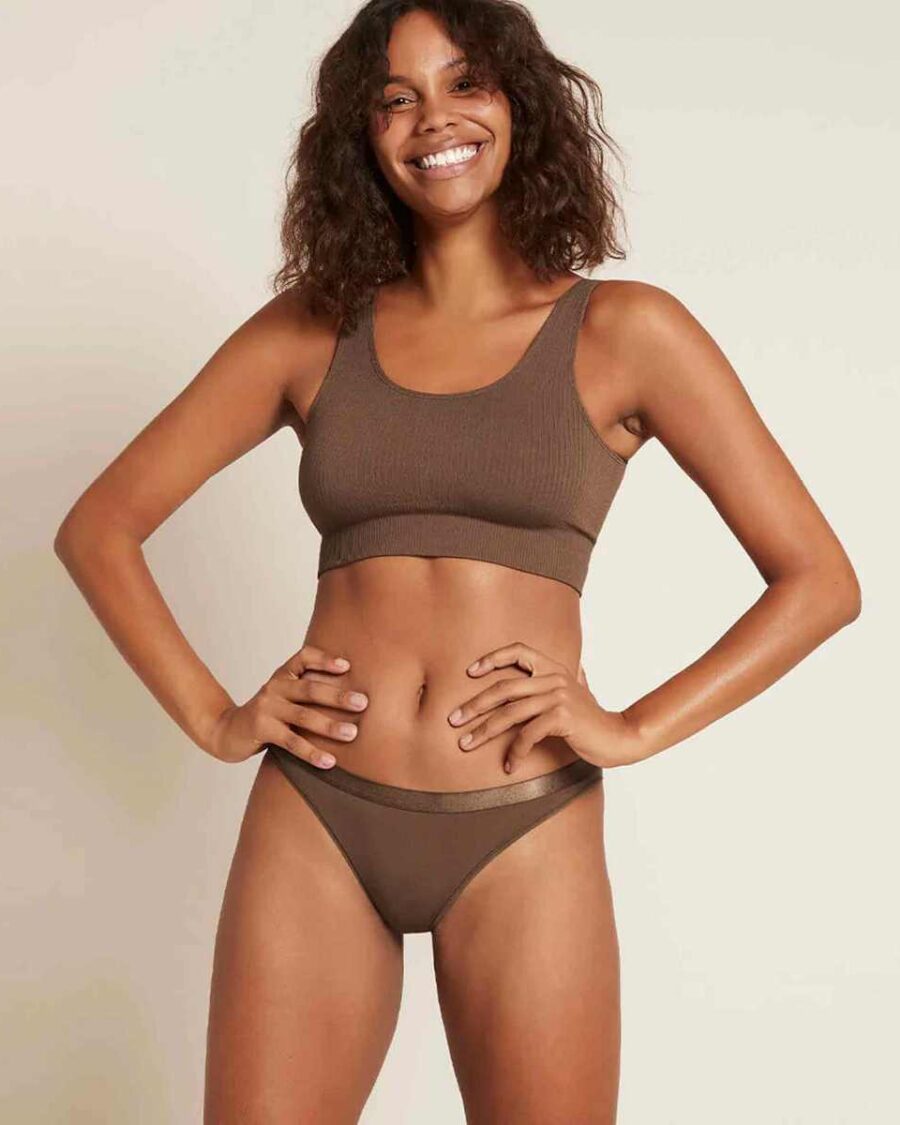
View BoodyBamboo bra
$38.00 -
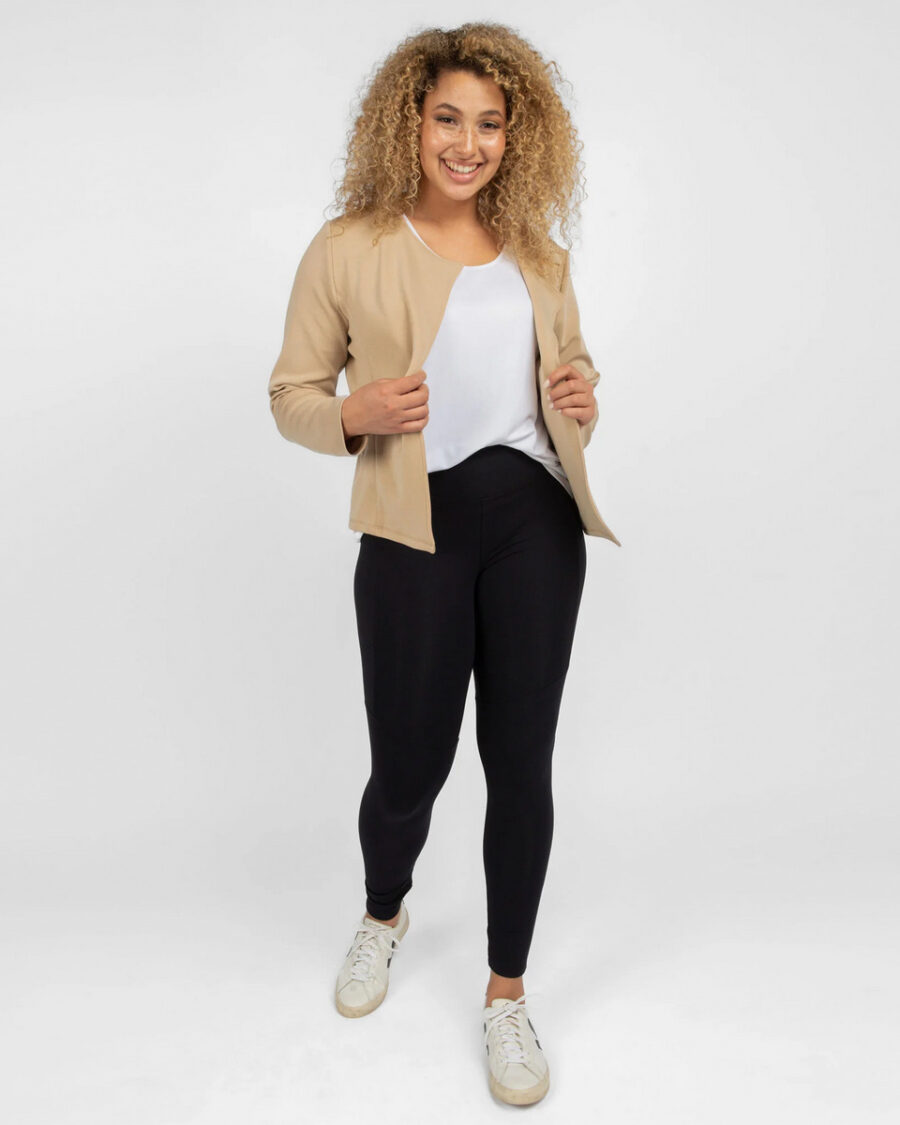
View EncircledBamboo leggings
$152.00 -
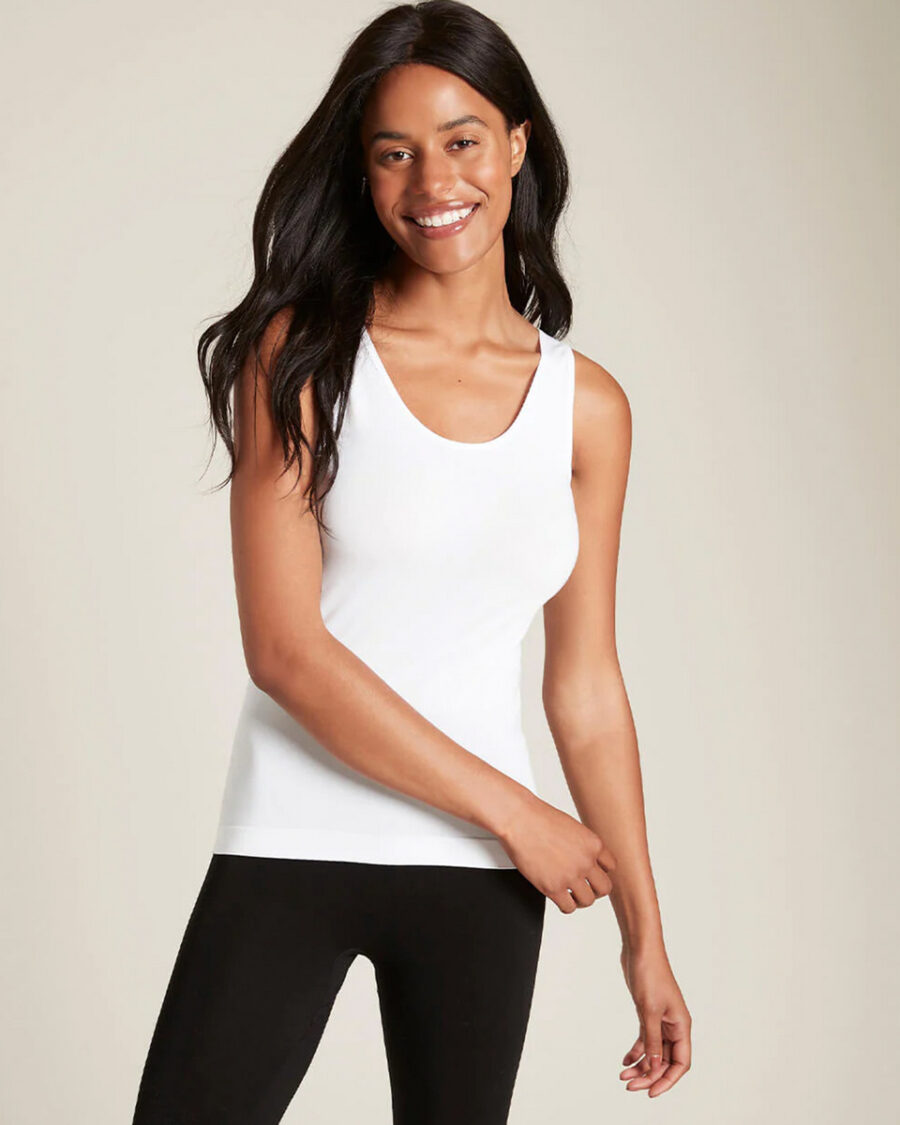
View BoodyBamboo tank top
$21.00 -
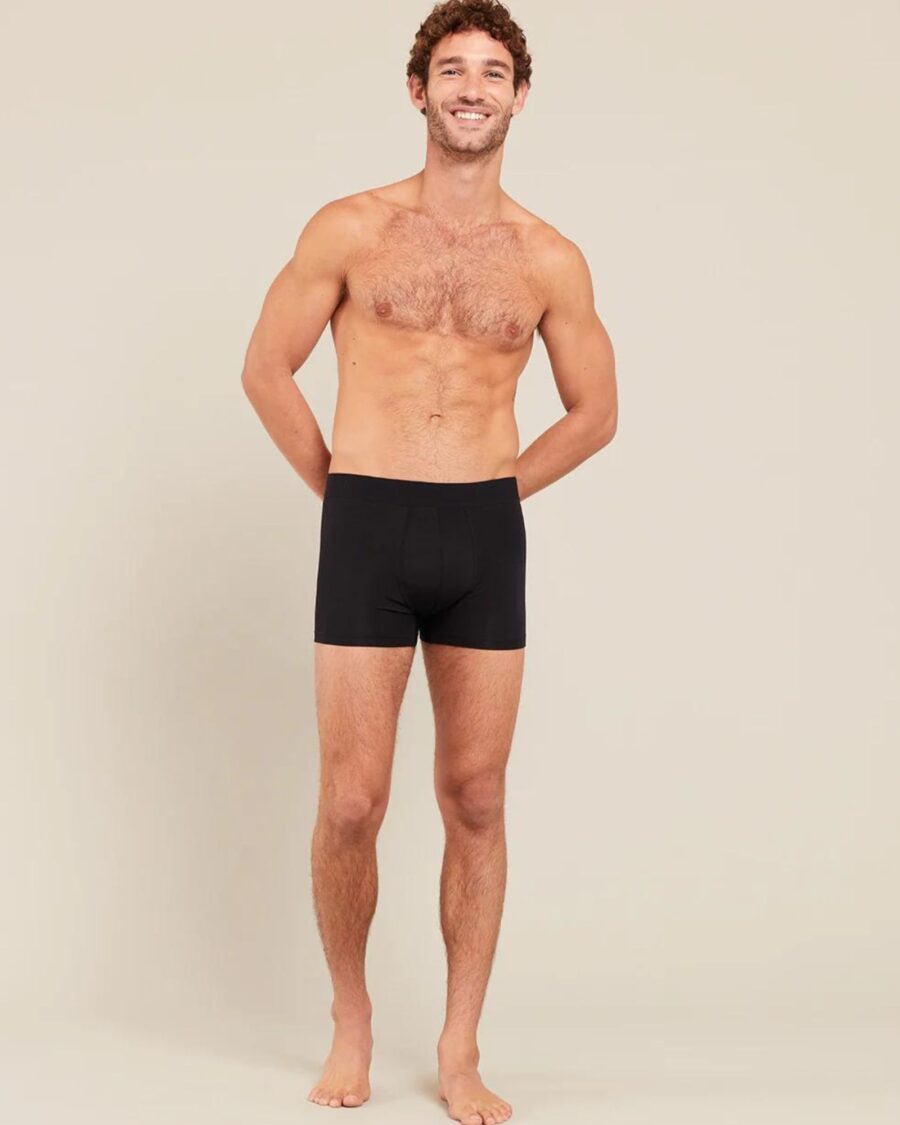
View BoodyBoxer briefs
$27.00 -
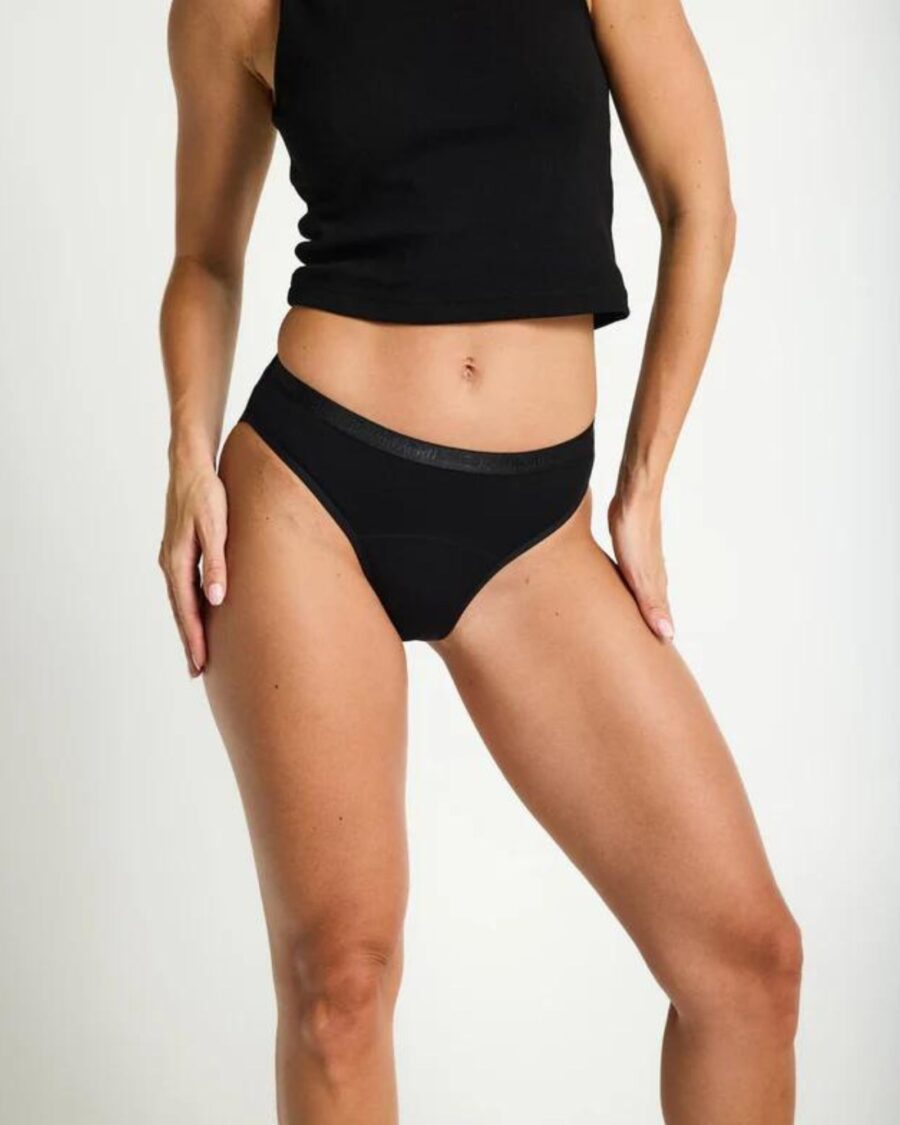
View ModibodiClassic bikini
$32.00 (On sale) -
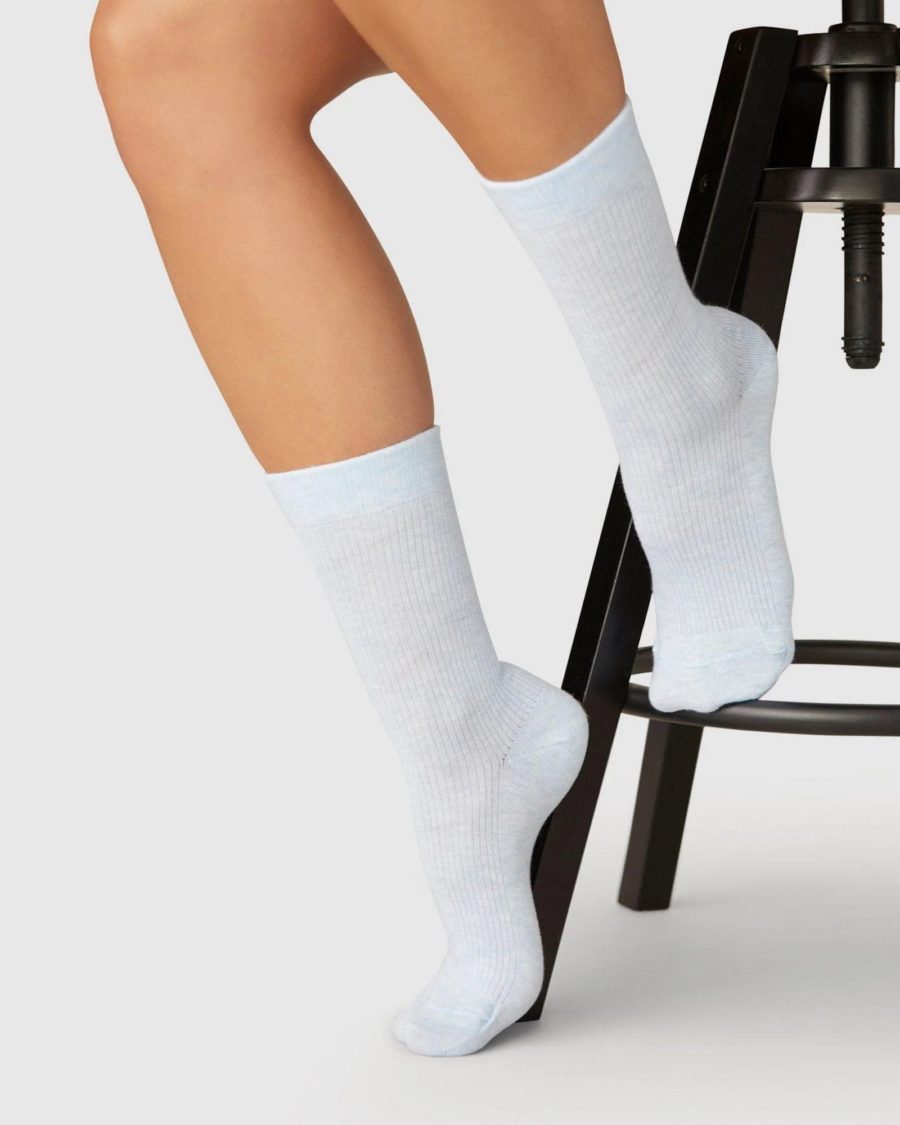
View Swedish StockingsCotton rib socks
$20.00 (On sale) -
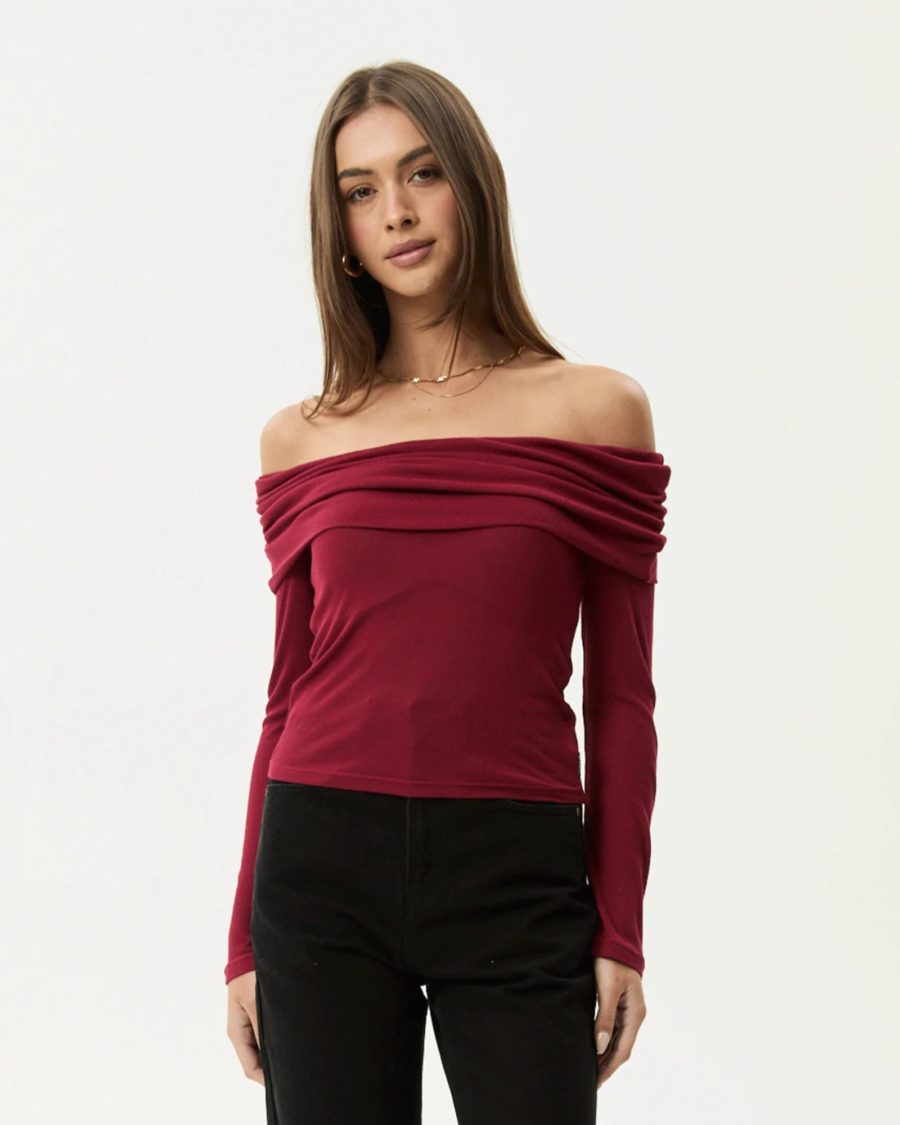
View AFENDSLong sleeve top
$65.00 -
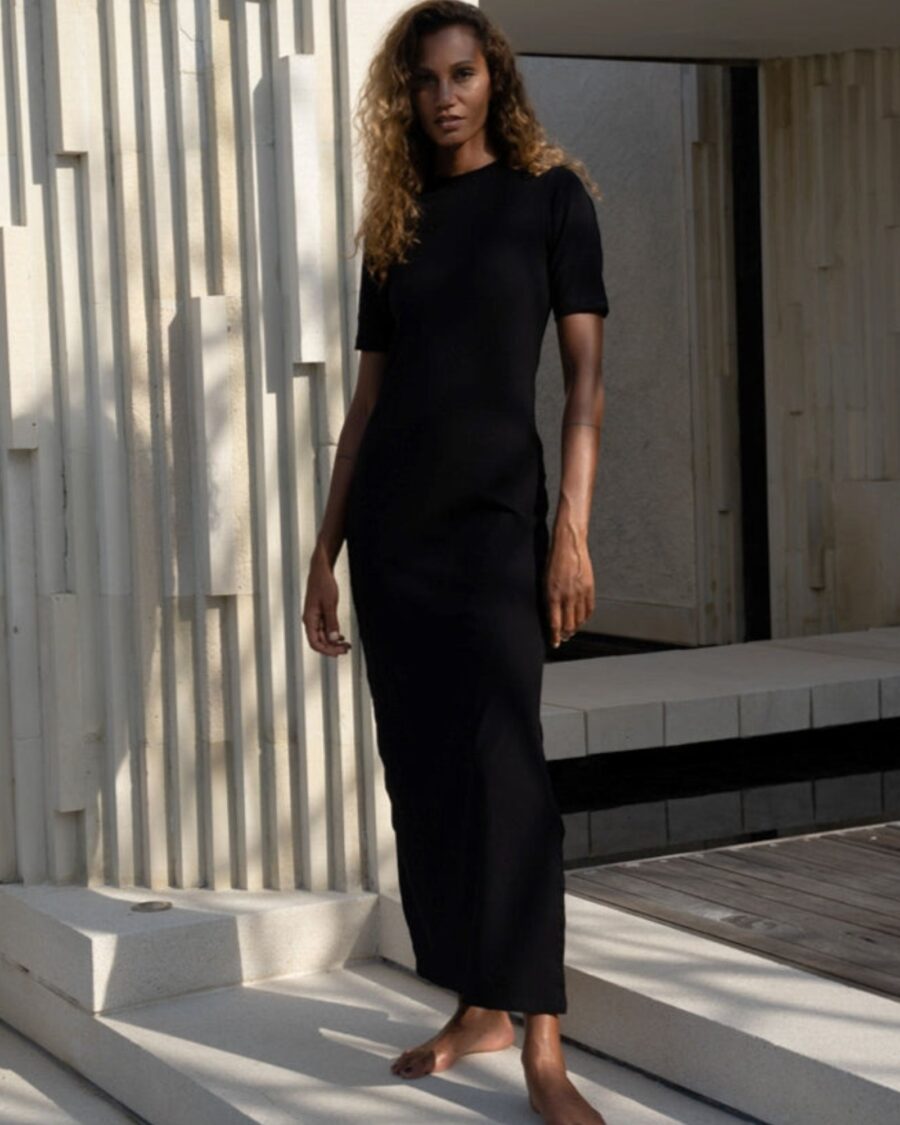
View Luciee | UrbankissedSleeve dress
$200.00